Table of Contents
ToggleThe best education today looks nothing like it did a decade ago. Classrooms have expanded beyond four walls, textbooks share space with AI tutors, and degrees no longer hold a monopoly on career success. Students, parents, and professionals are rethinking what quality education means in 2025.
This shift isn’t random. Economic pressures, technological advances, and changing workforce demands have reshaped how people learn. The best education today blends technology, personalization, and practical skills in ways that traditional models couldn’t offer. Understanding these trends helps learners make smarter choices about their educational paths.
Key Takeaways
- The best education today combines technology, personalization, and practical skills to meet modern workforce demands.
- AI tutors, virtual classrooms, and online platforms now provide high-quality learning experiences previously available only through expensive private instruction.
- Adaptive learning software personalizes education by adjusting to each student’s pace and identifying knowledge gaps in real time.
- Skills-based credentials like bootcamps and professional certificates from Google, IBM, and Amazon offer faster, more affordable paths to employment than traditional degrees.
- Social-emotional learning (SEL) has become essential, helping students develop communication, teamwork, and emotional intelligence skills that employers value.
- Accessing quality education in 2025 means combining multiple resources—online courses, free platforms, study groups, and hands-on projects—to create a personalized learning path.
The Rise of Technology-Driven Learning
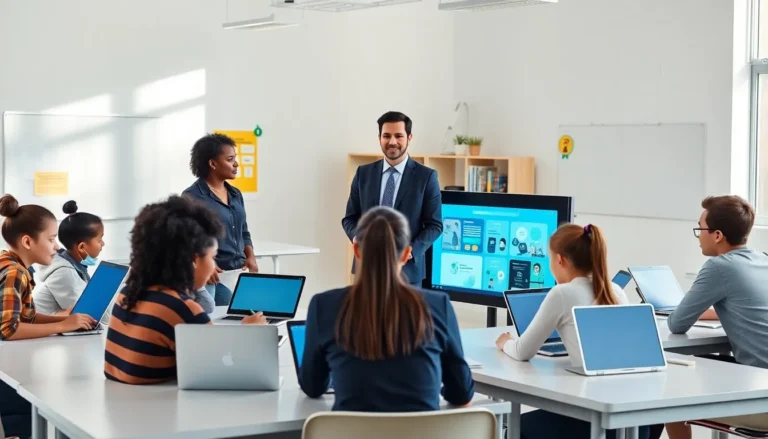
Technology has transformed education from a static experience into an interactive one. Online platforms, virtual classrooms, and AI-powered tools now reach millions of learners worldwide. The best education today often happens on a laptop or smartphone, not just in lecture halls.
Learning management systems like Canvas and Google Classroom have become standard in schools and universities. These platforms let teachers share materials, track progress, and communicate with students instantly. Meanwhile, massive open online courses (MOOCs) from providers like Coursera and edX give anyone access to courses from top universities, often for free.
AI tutors represent another major shift. Tools like Khan Academy’s Khanmigo provide one-on-one support that adapts to each student’s pace. They answer questions, explain concepts differently when needed, and identify knowledge gaps. This kind of support was once available only to students who could afford private tutors.
Virtual and augmented reality add another layer. Medical students practice surgeries in VR environments before touching a patient. History classes visit ancient Rome through immersive simulations. These technologies make abstract concepts concrete and memorable.
But, technology alone doesn’t guarantee the best education today. Access remains uneven. Students without reliable internet or devices fall behind. The digital divide persists, and addressing it matters as much as developing new tools.
Personalized Education and Adaptive Learning
One-size-fits-all education doesn’t work. Students learn at different speeds, through different methods, and with different interests. The best education today recognizes this reality through personalized and adaptive approaches.
Adaptive learning software analyzes student performance in real time. When a student struggles with fractions, the system provides extra practice. When they master a concept quickly, it moves them forward. This approach keeps learners challenged without overwhelming them.
Personalization extends beyond software. Many schools now offer competency-based progression, where students advance after demonstrating mastery rather than sitting through a set number of hours. This model respects individual learning speeds and reduces wasted time.
Data plays a crucial role here. Teachers receive dashboards showing which students need help and which topics cause the most confusion. This information lets educators target their attention where it matters most.
The best education today also considers learning styles and preferences. Some students thrive with visual content. Others prefer hands-on projects or discussion-based learning. Modern educational approaches try to accommodate these differences rather than forcing everyone into the same mold.
Critics worry about data privacy and the risk of reducing education to algorithms. These concerns are valid. But thoughtful implementation of personalized learning can help more students succeed than traditional methods ever could.
Skills-Based Learning Over Traditional Degrees
Employers increasingly care about what candidates can do, not just what diplomas they hold. This shift has pushed the best education today toward skills-based learning and alternative credentials.
Micro-credentials and certificates have gained credibility. Google, IBM, and Amazon offer professional certificates that prepare learners for specific jobs in months, not years. Many employers now accept these credentials alongside, or instead of, traditional degrees.
Bootcamps represent another path. Coding bootcamps turn beginners into job-ready developers in 12 to 24 weeks. Similar intensive programs exist for data science, UX design, cybersecurity, and digital marketing. They focus on practical skills employers actually need.
The best education today emphasizes portfolio building over transcript padding. Designers showcase their work. Writers publish articles. Developers contribute to open-source projects. These tangible outputs often matter more in hiring decisions than GPAs.
Traditional universities are adapting. Many now partner with industry to update curricula and offer stackable credentials. Students can earn certificates that eventually count toward a full degree, providing flexibility for working adults.
This doesn’t mean degrees have become worthless. Certain fields, medicine, law, academia, still require them. But for many careers, skills-based education offers a faster, cheaper, and more direct route to employment.
The Growing Importance of Social-Emotional Learning
Technical skills matter, but they’re not enough. The best education today includes social-emotional learning (SEL), which develops skills like empathy, self-awareness, and responsible decision-making.
Research supports this focus. Students who receive SEL instruction show improved academic performance, better behavior, and reduced anxiety. These skills help them succeed not just in school but throughout life.
SEL programs teach students to recognize and manage emotions. They practice resolving conflicts constructively. They learn to work effectively in teams. These capabilities translate directly to workplace success.
Schools carry out SEL through dedicated lessons, but also by embedding it into daily routines. Morning check-ins let students share how they’re feeling. Group projects require collaboration and communication. Teachers model emotional regulation and respectful disagreement.
The best education today acknowledges that mental health affects learning. Stressed, anxious students can’t focus. Schools now provide more counseling resources and teach stress management techniques as part of their mission.
Employers value these skills highly. Communication, teamwork, and emotional intelligence consistently rank among the top traits hiring managers seek. An education that ignores social-emotional development leaves students underprepared for real-world challenges.
How to Access Quality Education in 2025
Finding the best education today requires knowing where to look and what questions to ask. Options have multiplied, but quality varies widely.
Start by defining goals. Someone seeking a career change needs different resources than a student exploring interests. Clear objectives help narrow the overwhelming number of choices.
Research platforms and providers carefully. Look for reviews from actual students. Check completion rates and job placement statistics when available. Free trials and sample lessons let learners evaluate quality before committing.
For online courses, accreditation matters less than outcomes. Ask: Will this course teach me skills I can demonstrate? Will employers recognize this credential? Does this provider have connections to industry?
Financial aid exists beyond traditional scholarships. Many online platforms offer income-share agreements, where students pay after landing a job. Libraries provide free access to learning resources. Community colleges offer affordable paths to quality education.
The best education today often combines multiple sources. Someone might take an online course, join a study group, attend local workshops, and build projects independently. This blended approach creates a personalized educational experience.
Don’t overlook free resources. YouTube tutorials, public library offerings, and open courseware from universities provide legitimate learning opportunities at no cost. Quality education has never been more accessible for those willing to seek it out.