Table of Contents
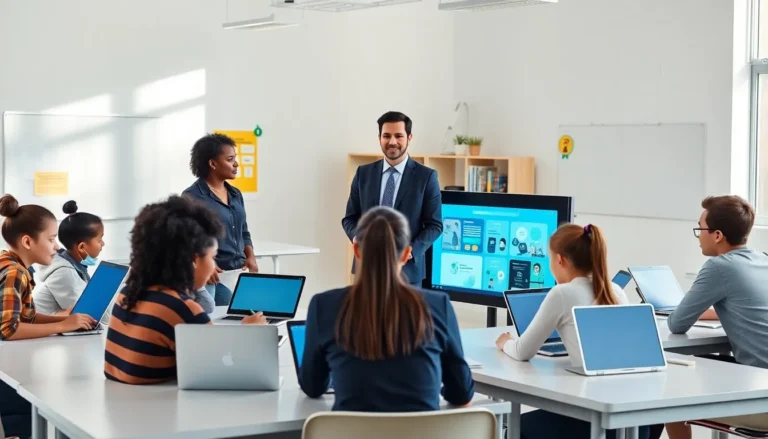
ToggleEducation today techniques look nothing like the classrooms of twenty years ago. Gone are the rows of silent students copying notes from a chalkboard. Modern teaching methods now prioritize engagement, technology, and individual student needs.
This shift didn’t happen overnight. Research in cognitive science, advances in digital tools, and changing workplace demands have all pushed education forward. Teachers now act more as guides than lecturers. Students collaborate, create, and problem-solve rather than memorize facts.
The results speak for themselves. Schools that adopt these modern approaches see better retention rates, higher test scores, and students who actually enjoy learning. This article explores the key education today techniques reshaping classrooms around the world, from student-centered learning to adaptive technology and active learning strategies.
Key Takeaways
- Education today techniques prioritize student engagement, technology integration, and individualized learning over traditional lecture-based instruction.
- Student-centered learning increases retention dramatically—students remember 90% of material through active participation compared to just 10% from passive listening.
- Technology tools like learning management systems, gamification, and virtual reality enhance learning when used with clear pedagogical goals.
- Active learning strategies such as flipped classrooms and problem-based learning reduce failure rates by up to 55% compared to traditional methods.
- Personalized and adaptive learning approaches use data to customize education paths, letting students advance based on mastery rather than fixed timelines.
- The most effective education today techniques balance technology-driven personalization with meaningful teacher-student relationships.
The Shift From Traditional to Student-Centered Learning
Traditional education placed the teacher at the center of the classroom. Students sat, listened, and absorbed information passively. This model worked for some learners but left many others behind.
Student-centered learning flips this dynamic. Students take ownership of their education. They set goals, make choices about how they learn, and reflect on their progress. Teachers become facilitators who guide rather than dictate.
Several key principles define student-centered education today techniques:
- Choice and autonomy: Students select projects, topics, or methods that interest them
- Collaboration: Group work and peer feedback replace isolated studying
- Critical thinking: Questions matter more than memorized answers
- Real-world connections: Lessons tie to practical applications
Research from Stanford University shows student-centered classrooms produce higher engagement and better long-term retention. Students who participate actively in their learning remember 90% of material compared to just 10% from passive listening.
This approach also prepares students for modern workplaces. Employers want people who can think independently, work in teams, and solve problems creatively. Student-centered education today techniques build exactly these skills.
The shift requires teachers to change their role fundamentally. Instead of delivering information, they design experiences. They ask questions, provide resources, and create space for exploration. It’s harder work in some ways, but the payoff shows in student outcomes.
Technology-Enhanced Teaching Methods
Technology has transformed education today techniques in ways few predicted. Smart devices, learning platforms, and digital tools now appear in classrooms from kindergarten through graduate school.
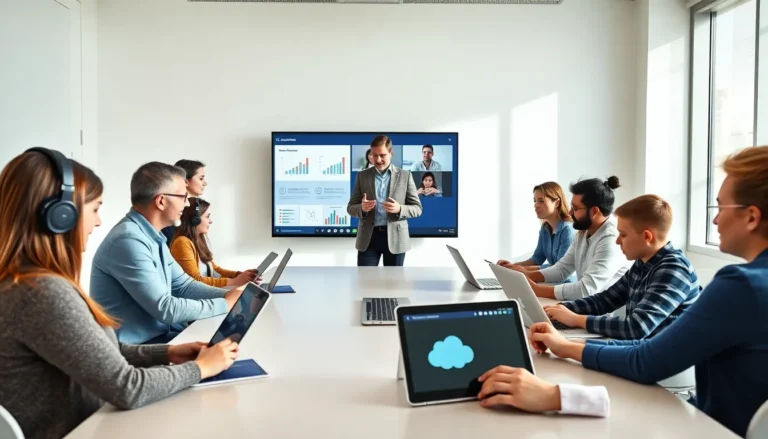
Learning Management Systems (LMS) organize coursework, assignments, and communication in one place. Platforms like Canvas, Google Classroom, and Moodle let teachers distribute materials, collect work, and provide feedback efficiently. Students access resources anytime, from anywhere.
Video and multimedia bring concepts to life. A biology teacher can show a beating heart in 3D. A history class can watch primary source footage from historical events. Abstract ideas become concrete and memorable.
Gamification applies game mechanics to learning. Points, badges, leaderboards, and challenges motivate students. Research shows gamified learning increases motivation by up to 60% in some contexts.
Virtual and augmented reality create immersive experiences. Medical students practice surgery without risk. Chemistry students manipulate molecules they can see in 3D space. These tools make the impossible possible.
But technology alone doesn’t improve education. The best education today techniques use technology purposefully. A flashy app with no pedagogical foundation wastes time. Effective teachers choose digital tools that serve specific learning goals.
The pandemic accelerated technology adoption dramatically. Schools that once resisted change had no choice but to adapt. Many discovered that blended learning, combining online and in-person instruction, works better than either approach alone.
Challenges remain. Not all students have equal access to devices and internet. Screen fatigue is real. Teachers need training to use new tools effectively. Still, technology-enhanced teaching has become essential to modern education today techniques.
Active Learning Strategies in the Classroom
Active learning puts students to work. Instead of listening passively, they discuss, write, solve problems, and create. This approach forms the backbone of effective education today techniques.
Think-Pair-Share offers a simple but powerful structure. Students think about a question individually, discuss with a partner, then share with the larger group. Everyone participates. Everyone processes the material.
Problem-based learning presents real challenges for students to solve. A physics class might design a bridge that must support specific weight. A business class might develop a marketing plan for an actual company. Learning happens through doing.
Flipped classrooms reverse traditional assignments and lecture. Students watch video lessons at home and use class time for activities, discussions, and hands-on work. Teachers can help students when they’re actually struggling instead of lecturing to blank faces.
Peer teaching leverages a simple truth: teaching something forces deep understanding. When students explain concepts to classmates, both parties benefit.
Project-based learning extends over weeks or months. Students tackle complex questions or challenges that require research, collaboration, and presentation. The final product demonstrates learning in tangible ways.
Research consistently supports active learning education today techniques. A meta-analysis of 225 studies found that students in active learning classes scored 6% higher on exams. Failure rates dropped by 55% compared to traditional lectures.
Active learning feels uncomfortable at first for some students. They’ve spent years being told what to do. Suddenly having responsibility for their own learning takes adjustment. Good teachers scaffold this transition, building independence gradually.
Personalized and Adaptive Learning Approaches
Every student learns differently. Some grasp concepts quickly while others need more time. Some prefer visual information while others learn better through reading or hands-on experience. Personalized learning addresses these differences directly.
Education today techniques now allow customization at scale. Adaptive learning software adjusts difficulty and content based on student performance. If a student struggles with fractions, the system provides more practice. If they master a concept quickly, it moves on.
Differentiated instruction has teachers plan multiple paths through the same material. Students might choose between reading an article, watching a video, or listening to a podcast, all covering the same content. Assessments can also vary, letting students show understanding through tests, projects, or presentations.
Competency-based education lets students advance when they demonstrate mastery, not when the calendar says it’s time. Some students finish a year’s math in six months. Others take eighteen months. Both succeed because the pace matches their needs.
Individual learning plans set specific goals for each student. Teachers, students, and sometimes parents collaborate to identify strengths, challenges, and targets. Regular check-ins track progress and adjust plans as needed.
Data drives modern personalized education today techniques. Learning platforms collect information on how students interact with material, what they struggle with, how long tasks take, when they give up. Teachers use this data to intervene early and target help precisely.
Personalization doesn’t mean students learn in isolation. Group work and collaboration remain important. But the entry points, supports, and pathways can differ based on individual needs.
Critics worry that personalized learning reduces human connection. They have a point. The best education today techniques balance technology-driven personalization with meaningful teacher-student relationships. Data informs decisions, but teachers make them.