Table of Contents
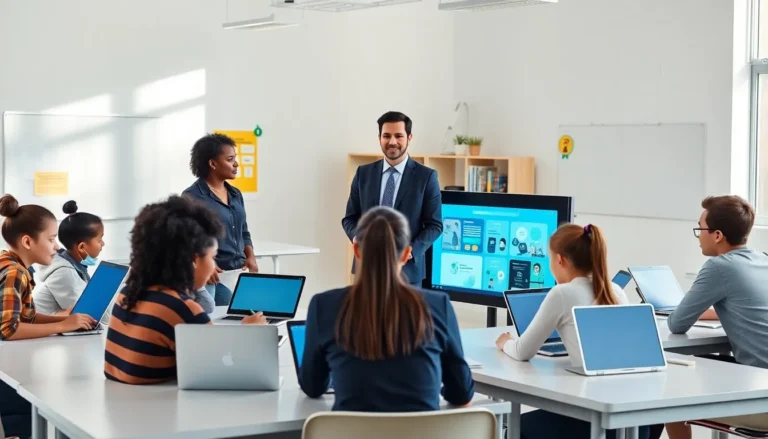
ToggleEducation today looks vastly different from what students experienced just a decade ago. Classrooms have shifted from chalkboards and textbooks to interactive screens and cloud-based platforms. Teachers now blend in-person instruction with digital tools, and students access learning materials from anywhere with an internet connection.
This transformation isn’t happening by accident. Schools, educators, and policymakers are responding to new demands, preparing students for jobs that don’t yet exist, addressing diverse learning needs, and making education more accessible. The result? A system in flux, full of promise and challenges in equal measure. Here’s what’s shaping education today and where it’s headed next.
Key Takeaways
- Education today relies heavily on digital tools like tablets, learning management systems, and online platforms to enhance classroom instruction.
- Personalized learning approaches use adaptive software and student-centered methods to meet individual learner needs and improve outcomes.
- Teacher shortages, funding inequities, and rising student mental health concerns are among the biggest challenges facing modern education systems.
- Teachers have evolved from lecturers to facilitators who guide discovery, build relationships, and integrate technology into learning experiences.
- Schools are prioritizing critical thinking, collaboration, and adaptable skills to prepare students for an evolving workforce shaped by automation and AI.
- STEM education, career and technical programs, and financial literacy courses are expanding to bridge the gap between classroom learning and real-world demands.
The Shift Toward Digital Learning
Digital learning has become a cornerstone of education today. Schools across the globe now integrate online platforms, learning management systems, and educational apps into daily instruction. This shift accelerated dramatically during the COVID-19 pandemic, but its roots go back further.
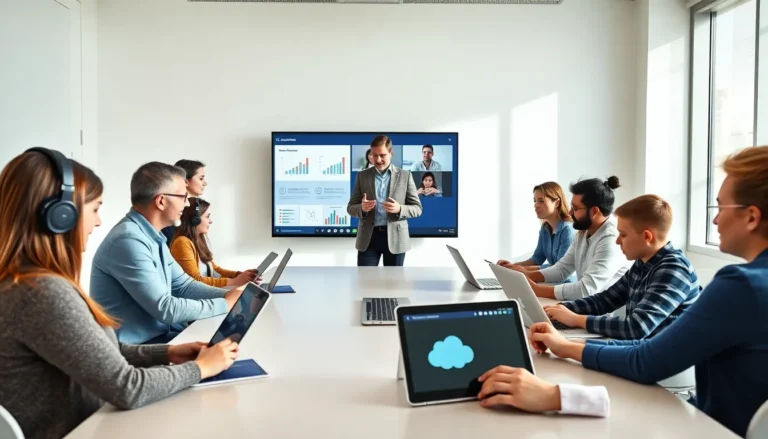
Students now use devices like tablets, laptops, and Chromebooks as standard classroom tools. Teachers assign work through platforms like Google Classroom and Canvas. Video conferencing enables remote learning, guest speakers from other countries, and collaboration between students in different time zones.
The benefits are clear. Digital tools offer instant feedback on assignments. Students can rewatch lectures, pause videos, and learn at their own pace. Resources that once required expensive textbooks are now free online. A student in rural Montana can access the same Khan Academy lesson as one in New York City.
But digital learning also raises questions. Screen time concerns persist. Not every family has reliable internet access, a problem known as the “digital divide.” And some subjects, like hands-on science experiments or art, don’t translate well to screens.
Still, the direction is set. Education today increasingly relies on technology, and schools that fail to adapt risk leaving students behind.
Personalized Education and Student-Centered Approaches
One-size-fits-all instruction is fading. Education today emphasizes personalized learning, where teaching adapts to individual student needs, strengths, and interests.
Adaptive learning software plays a big role here. Programs like DreamBox and IXL adjust difficulty levels based on student performance. A struggling math student gets extra practice on foundational concepts, while an advanced learner moves ahead to new challenges, all within the same classroom.
Teachers are also adopting student-centered approaches. Project-based learning lets students explore real-world problems. A history class might research local civil rights history instead of memorizing dates. A science class could design solutions for community water quality issues.
This shift recognizes something important: students learn differently. Some absorb information through reading, others through discussion or hands-on activities. Education today tries to meet learners where they are.
Data drives much of this personalization. Schools track student progress through assessments and analytics, identifying gaps early. Intervention programs target specific needs before students fall too far behind.
Critics worry about data privacy and the risk of over-testing. There’s also concern that technology can’t replace human judgment in understanding a student’s emotional or social needs. These are valid points. But the move toward personalized education continues because, when done well, it works.
Challenges Facing Modern Education Systems
Education today faces significant obstacles. Teacher shortages top the list. The U.S. alone reported hundreds of thousands of unfilled teaching positions in recent years. Low pay, heavy workloads, and burnout push educators out of the profession.
Funding gaps persist between wealthy and low-income districts. A school in an affluent suburb might offer robotics labs and AP courses in every subject. A school in a poor neighborhood might lack basic supplies. These inequities affect student outcomes in measurable ways.
Mental health concerns among students have surged. Anxiety, depression, and loneliness rates climbed sharply during and after the pandemic. Schools now function as front-line mental health providers, a role many aren’t equipped to handle.
Political battles over curriculum have intensified. Debates about what to teach about history, gender, and race have divided communities. Teachers sometimes feel caught between parents, administrators, and their own professional judgment.
Technology creates its own problems. Cyberbullying, distraction, and cheating through AI tools like ChatGPT challenge educators. Schools struggle to set policies that balance innovation with integrity.
None of these challenges have easy solutions. But acknowledging them is the first step toward addressing the gaps in education today.
The Role of Teachers in Today’s Classrooms
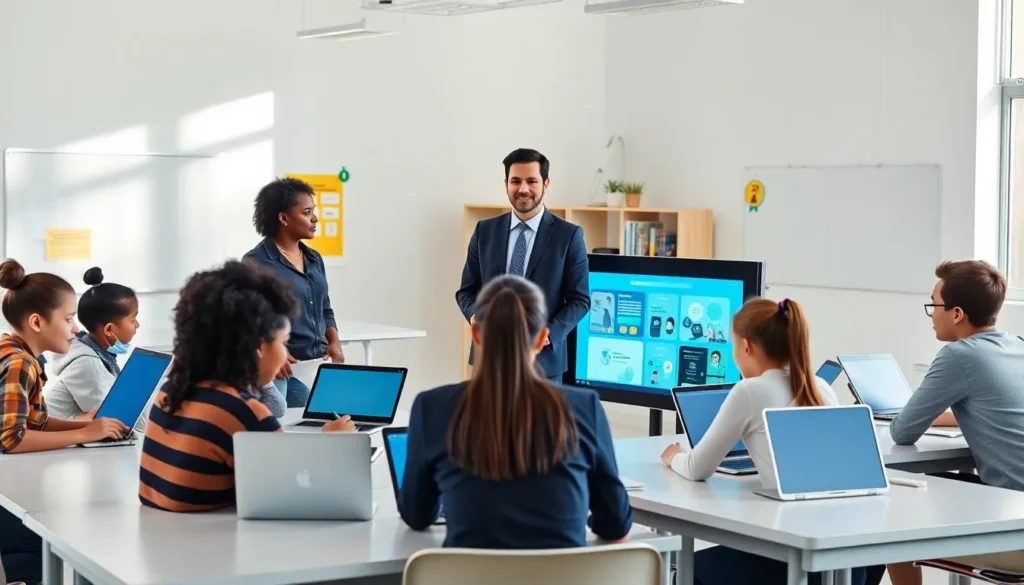
Teachers remain the heart of education today, even as their role evolves. They’re no longer just lecturers delivering content. They’re facilitators, coaches, and sometimes tech support.
Modern teachers guide students through discovery rather than simply providing answers. They design learning experiences that engage different types of learners. They help students develop critical thinking, collaboration, and problem-solving skills alongside academic content.
Technology hasn’t replaced teachers. If anything, it’s made their job more complex. They must master new platforms, troubleshoot devices, and adapt lessons for both in-person and remote learners. Many teachers now create their own video content and curate digital resources.
Professional development has become essential. Teachers need ongoing training to keep pace with new tools and methods. Schools that invest in teacher growth see better student outcomes.
Relationships still matter most. Research consistently shows that student-teacher connections drive engagement and achievement. A teacher who knows a student’s struggles, interests, and home situation can reach that student in ways no algorithm can.
Education today asks a lot of teachers. They deserve support, fair compensation, and respect for the skilled work they do.
Preparing Students for an Evolving Workforce
The job market students will enter looks different from their parents’ experience. Automation, artificial intelligence, and globalization have reshaped industries. Education today must prepare students for this reality.
Skills matter more than ever. Employers want workers who can think critically, communicate clearly, collaborate effectively, and adapt to change. Technical skills help, but soft skills often determine success.
STEM education has expanded significantly. Coding, data analysis, and digital literacy appear in curricula starting in elementary school. Career and technical education (CTE) programs connect students to high-demand fields like healthcare, cybersecurity, and advanced manufacturing.
But education today also emphasizes creativity, emotional intelligence, and entrepreneurship. Jobs requiring routine tasks are disappearing to automation. Jobs requiring human judgment, empathy, and innovation are growing.
Some schools partner with local businesses for internships and apprenticeships. Students gain real-world experience before graduation. These programs help bridge the gap between classroom learning and workplace demands.
Financial literacy and life skills instruction are gaining ground too. Students learn budgeting, taxes, and basic economics, practical knowledge that serves them regardless of career path.
The goal isn’t to predict which jobs will exist in twenty years. It’s to equip students with adaptable skills they can apply anywhere.