Table of Contents
ToggleEducation today examples show a dramatic shift from traditional teaching methods. Students now learn through technology, hands-on projects, and global collaboration. Teachers have moved beyond lectures and textbooks to create dynamic learning experiences.
Modern classrooms look nothing like they did twenty years ago. Interactive screens replace chalkboards. Group projects replace rote memorization. Emotional intelligence sits alongside math and science in curriculum plans.
This article explores five key areas where education today examples demonstrate real transformation. From adaptive learning software to international student partnerships, these changes are reshaping how students gain knowledge and skills.
Key Takeaways
- Education today examples reveal a major shift toward technology-driven classrooms, with 78% of U.S. public schools now offering device programs.
- Personalized and adaptive learning platforms like Khan Academy allow students to progress at their own pace based on individual skill levels.
- Project-based and experiential learning emphasizes hands-on problem-solving, preparing students with practical skills for future careers.
- Social-emotional learning (SEL) programs are now integrated into curricula to help students manage emotions, build relationships, and improve academic performance.
- Global classroom initiatives connect students worldwide through video chats and collaborative projects, building cross-cultural communication skills for an interconnected economy.
Technology-Driven Learning Environments
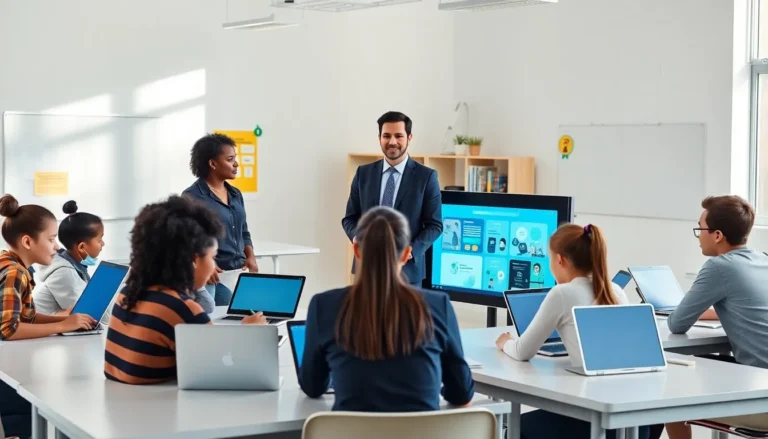
Technology has fundamentally changed classroom instruction. Education today examples include smart boards, tablets, and learning management systems that teachers use daily.
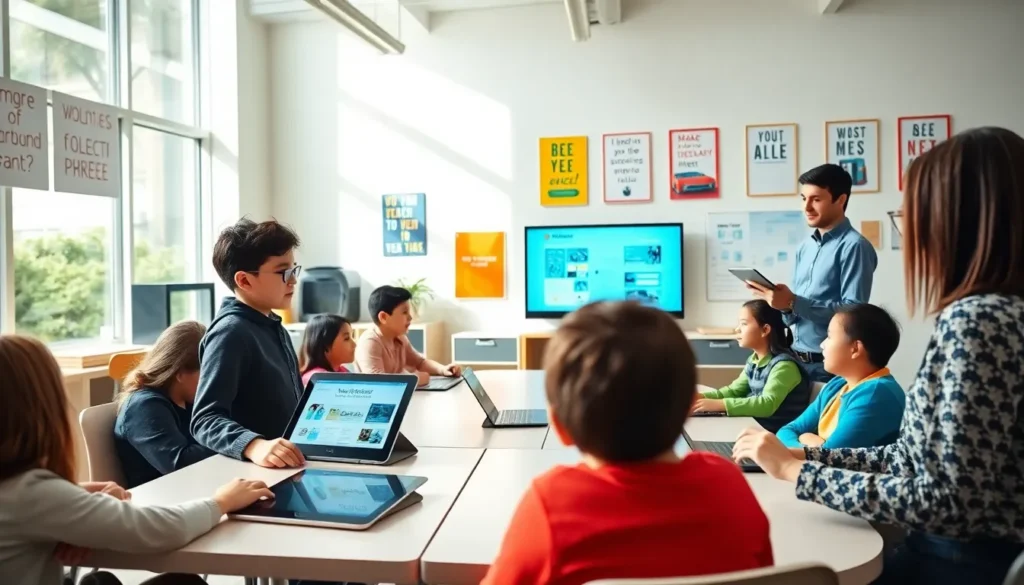
Many schools now provide one-to-one device programs. Students receive laptops or tablets for coursework. They access digital textbooks, submit assignments online, and collaborate through shared documents. A 2024 survey found that 78% of U.S. public schools offer some form of device program.
Virtual reality (VR) offers another education today example worth noting. Science classes use VR headsets to explore the human body or travel through space. History students visit ancient civilizations without leaving their desks. These immersive experiences boost engagement and retention.
Artificial intelligence tools have entered classrooms too. AI-powered tutoring systems provide instant feedback on math problems and writing assignments. Students get help at 2 AM if they need it, something human teachers simply can’t provide.
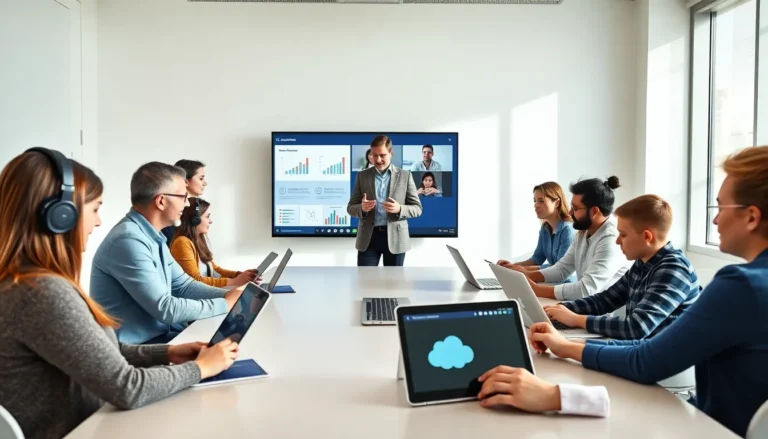
Video conferencing has become standard practice. Guest speakers join classes from anywhere in the world. Students who miss school can attend virtually. During weather closures, learning continues uninterrupted.
Of course, technology brings challenges. Screen time concerns persist. Not all families have reliable internet access at home. Schools must balance digital tools with offline activities. But the shift toward technology-driven learning shows no signs of slowing down.
Personalized and Adaptive Education Models
One-size-fits-all instruction is fading. Education today examples increasingly feature personalized learning paths for individual students.
Adaptive learning software tracks student progress in real time. When a student struggles with fractions, the system provides extra practice problems. When another student masters the concept quickly, they move ahead. Each learner progresses at their own pace.
Khan Academy represents a well-known education today example of this approach. Students complete exercises and watch videos based on their skill level. Teachers receive dashboards showing exactly where each student stands.
Differentiated instruction has become standard practice in many districts. Teachers create multiple versions of assignments based on student readiness. Some students work on basic comprehension while others tackle advanced analysis, all within the same classroom.
Learning profiles help teachers understand each student’s strengths. Some kids learn best through visuals. Others need hands-on activities. Modern education acknowledges these differences and plans accordingly.
Data plays a central role in personalization. Schools track attendance, grades, and assessment scores to identify struggling students early. Intervention programs catch problems before they become serious. This data-driven approach represents a significant shift in how educators think about student success.
Project-Based and Experiential Learning
Worksheets and textbook chapters still exist, but education today examples show a clear trend toward hands-on learning.
Project-based learning (PBL) asks students to solve real problems. A class might design solutions for local traffic congestion. Another might create a business plan for a school store. Students research, collaborate, and present findings, skills they’ll use throughout their careers.
Maker spaces have popped up in schools across the country. These dedicated areas contain 3D printers, coding equipment, and craft supplies. Students build physical products and learn through trial and error. Failure becomes part of the process, not something to avoid.
Experiential learning extends beyond school walls. Internships, job shadowing, and service learning connect classroom concepts to real situations. A student studying environmental science might spend time at a local wildlife preserve. Theory becomes practice.
STEM and STEAM programs exemplify this shift. Students don’t just read about engineering, they build bridges and test their strength. They don’t just study coding, they create apps and games. Education today examples consistently emphasize doing over listening.
Field trips have evolved too. Virtual field trips supplement in-person visits. Students tour museums, factories, and national parks without budget constraints or travel logistics. Learning happens wherever the internet reaches.
Social-Emotional Learning Integration
Academic skills alone don’t prepare students for life. Education today examples reflect growing emphasis on social-emotional learning (SEL).
SEL programs teach students to manage emotions, set goals, and build relationships. Morning meetings give students space to share feelings and practice empathy. Conflict resolution training helps kids handle disagreements without adult intervention.
Many states now require SEL standards in their curriculum frameworks. Illinois, for instance, has mandated SEL instruction since 2004. Other states have followed with their own requirements.
Mindfulness practices have entered many classrooms. Students spend a few minutes breathing deeply before tests. Some schools offer yoga during physical education. These techniques help students manage stress and improve focus.
Trauma-informed teaching represents another education today example gaining attention. Teachers learn to recognize signs of trauma and respond appropriately. They understand that behavior problems often stem from circumstances outside school. This awareness shapes discipline policies and classroom management.
Research supports SEL investment. Studies show that students in SEL programs demonstrate better academic performance, fewer behavior problems, and improved emotional wellbeing. The return on investment makes these programs attractive to administrators facing tight budgets.
Global and Collaborative Classroom Initiatives
Classrooms no longer exist in isolation. Education today examples showcase connections across cities, countries, and continents.
Global pen pal programs have gone digital. Students video chat with peers in Japan, exchange messages with classmates in Brazil, and collaborate on projects with partners in Kenya. These connections build cultural awareness and communication skills.
Flat Classroom projects connect students worldwide to address global challenges. Climate change, poverty, and public health become shared concerns. Students learn that their actions have international implications.
Language learning has transformed through global partnerships. A student studying Spanish might practice with native speakers in Mexico through video calls. Authentic conversation replaces textbook dialogues.
Collaborative tools make group work easier than ever. Google Workspace and Microsoft Teams let students edit documents together in real time. They can work on projects from different locations and time zones. These skills transfer directly to modern workplaces.
Teacher collaboration has expanded too. Educators share lesson plans across districts and countries. Professional learning communities connect teachers facing similar challenges. Best practices spread faster when educators communicate freely.
Education today examples of global learning prepare students for an interconnected economy. They’ll work with colleagues and clients from diverse backgrounds. Early exposure builds comfort with cross-cultural communication.