Table of Contents
ToggleEducation today ideas are reshaping how students learn and teachers instruct. The traditional one-size-fits-all model no longer meets the needs of diverse learners in a connected world. Schools, districts, and educators are adopting fresh strategies to prepare students for careers that may not yet exist.
This shift involves personalized learning, technology integration, emotional support systems, and hands-on experiences. Each approach addresses specific gaps in conventional education. Together, they form a new vision for what classrooms can achieve. The following sections explore the most impactful education today ideas currently transforming schools across the globe.
Key Takeaways
- Education today ideas focus on personalized learning, technology integration, social-emotional learning, and project-based experiences to meet diverse student needs.
- Personalized learning uses data and adaptive platforms to tailor instruction, resulting in measurable gains in math, reading, and student engagement.
- Technology integration enhances teaching through interactive tools, virtual reality, and AI-powered tutoring while emphasizing digital citizenship skills.
- Social-emotional learning (SEL) improves academic achievement by 11% and reduces behavioral problems by teaching students to manage emotions and build relationships.
- Project-based and experiential learning prepare students for real-world challenges by developing problem-solving, collaboration, and critical thinking skills employers demand.
- Successful implementation of these education today ideas requires teacher training, community partnerships, and addressing equity concerns like the digital divide.
Personalized Learning Approaches
Personalized learning puts individual student needs at the center of instruction. Instead of moving an entire class through identical material at the same pace, teachers adapt lessons based on each learner’s strengths, weaknesses, and interests.
This education today idea relies on data. Educators use assessments to identify skill gaps and learning preferences. They then adjust content delivery, whether through small group instruction, one-on-one sessions, or self-paced digital modules.
Adaptive learning platforms play a significant role here. Programs like Khan Academy and DreamBox adjust difficulty levels in real time based on student performance. A struggling reader receives additional phonics practice, while an advanced reader moves to more challenging texts.
The benefits are measurable. A 2023 RAND Corporation study found that students in personalized learning environments showed greater gains in math and reading compared to peers in traditional settings. These students also reported higher engagement and motivation.
Personalized learning does require more planning from teachers. They must track multiple learning paths and provide varied resources. But, technology tools increasingly automate much of this work, freeing educators to focus on direct student interaction.
Schools implementing personalized approaches often restructure their schedules. Flexible time blocks allow students to work at their own pace. Some districts have eliminated grade levels entirely, grouping students by skill level rather than age.
This shift represents one of the most significant education today ideas because it acknowledges a simple truth: students are individuals. They learn differently, and effective teaching must reflect that reality.
Technology Integration in the Classroom
Technology integration has become essential to modern education today ideas. Digital tools extend learning beyond classroom walls and open new possibilities for instruction.
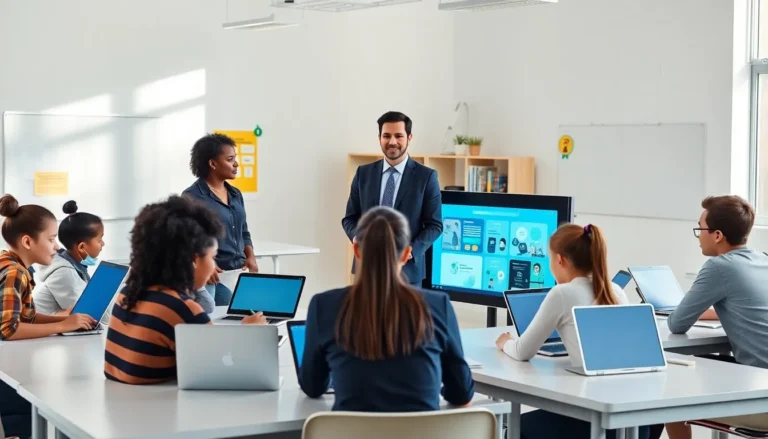
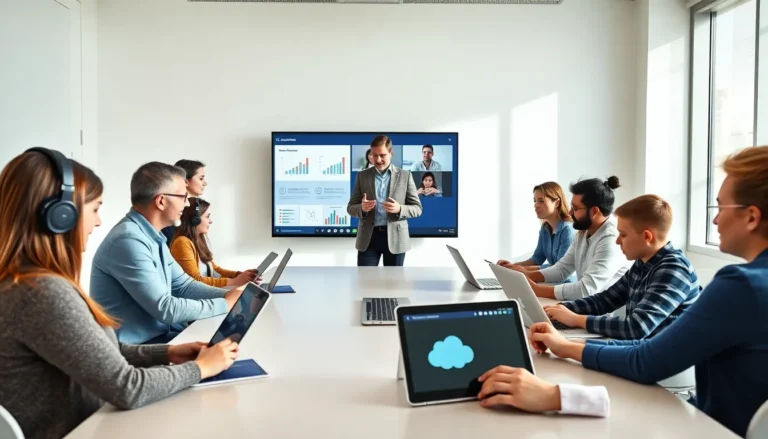
Interactive whiteboards, tablets, and laptops are now standard in many schools. These devices support multimedia lessons that engage visual, auditory, and kinesthetic learners simultaneously. A history lesson might include documentary clips, interactive maps, and primary source documents, all accessed within minutes.
Virtual reality offers another frontier. Students can explore ancient Rome, walk through the human circulatory system, or visit the International Space Station without leaving their desks. These immersive experiences create lasting impressions that textbooks simply cannot match.
Artificial intelligence is entering classrooms as well. AI-powered tutoring systems provide instant feedback on student work. Chatbots answer questions outside school hours. Some schools use AI to identify students at risk of falling behind, allowing early intervention.
But technology integration isn’t about devices alone. It’s about pedagogy. The most effective education today ideas use technology to enhance teaching, not replace it. A tablet in every hand means little if instruction doesn’t change.
Digital citizenship has become part of the curriculum. Students learn to evaluate online sources, protect their privacy, and communicate respectfully in digital spaces. These skills are now as fundamental as reading and writing.
Challenges remain. The digital divide persists in many communities, with some students lacking home internet access. Schools must address equity issues as they adopt new technologies. Also, screen time concerns prompt educators to balance digital and offline activities.
Even though these challenges, technology integration continues to expand. It represents a core component of education today ideas that prepare students for a digital future.
Social-Emotional Learning and Student Well-Being
Social-emotional learning (SEL) has gained significant traction as an education today idea. This approach teaches students to manage emotions, build relationships, and make responsible decisions.
SEL programs address five core competencies: self-awareness, self-management, social awareness, relationship skills, and responsible decision-making. Students practice identifying their feelings, regulating stress, showing empathy, and resolving conflicts constructively.
The academic benefits are clear. A 2024 meta-analysis published in Child Development found that students participating in SEL programs showed an 11-percentile gain in academic achievement compared to non-participants. They also demonstrated fewer behavioral problems and reduced emotional distress.
Many schools now dedicate specific time to SEL instruction. Morning meetings, advisory periods, and dedicated SEL classes create space for these lessons. Teachers model emotional regulation and guide students through scenarios that build empathy.
Mental health support has become intertwined with education today ideas around well-being. Schools are hiring more counselors and social workers. Some have established wellness rooms where students can decompress during stressful moments.
Trauma-informed practices have spread as well. Educators learn to recognize signs of trauma and respond with patience rather than punishment. This shift acknowledges that student behavior often reflects underlying struggles.
Parent involvement strengthens SEL efforts. Schools send home resources and strategies so families can reinforce skills learned at school. This partnership creates consistency across environments.
Critics sometimes argue that SEL takes time from academic instruction. But, proponents point to research showing that emotionally healthy students learn more effectively. Investing in well-being eventually supports academic outcomes.
SEL represents an education today idea that recognizes students as whole people. Their emotional lives matter as much as their academic progress.
Project-Based and Experiential Learning
Project-based learning (PBL) asks students to tackle real-world problems through extended, in-depth projects. This education today idea shifts focus from memorization to application.
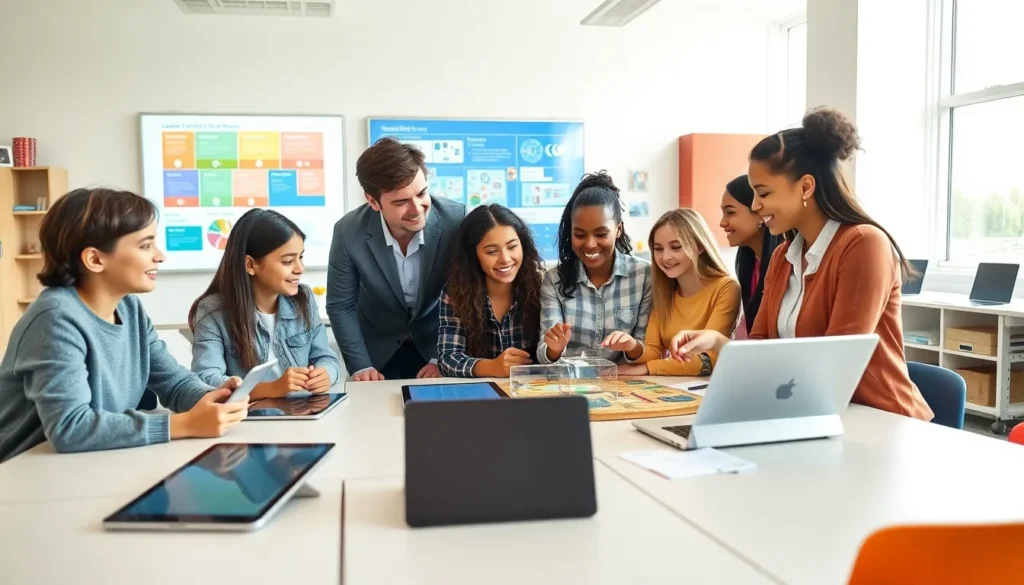
In a PBL classroom, students might design a community garden, create a documentary about local history, or develop a business plan for a social enterprise. These projects require research, collaboration, critical thinking, and presentation skills.
Experiential learning extends this concept further. Students learn by doing, through internships, field studies, service projects, and simulations. A biology class might partner with a local environmental organization to monitor water quality rather than just reading about ecosystems.
The benefits of these education today ideas are substantial. Students develop problem-solving abilities that transfer across contexts. They learn to work in teams, manage time, and communicate findings to various audiences. These are precisely the skills employers consistently request.
Assessment looks different in PBL environments. Teachers evaluate final products, presentations, and portfolios rather than relying solely on tests. Rubrics measure both content knowledge and process skills like collaboration and persistence.
Real-world connections motivate students. When work matters beyond a grade, engagement increases. A student designing a wheelchair ramp for a community member cares more about the outcome than one completing a worksheet.
Teachers serve as facilitators rather than lecturers in PBL settings. They guide students through challenges, ask probing questions, and connect learners with outside experts. This role shift requires professional development but yields richer learning experiences.
Schools adopting PBL often partner with local businesses and organizations. These partnerships provide authentic contexts for student work and expose learners to potential career paths.
Project-based and experiential learning represent education today ideas that prepare students for active participation in society. They learn not just content but how to apply knowledge to solve genuine problems.