Table of Contents
ToggleEducation today vs. past generations looks remarkably different. Students once sat in rows, copied notes from chalkboards, and memorized facts from textbooks. Now, they collaborate on digital platforms, access information instantly, and learn skills their grandparents never imagined. This shift didn’t happen overnight. Decades of research, technological advances, and changing workforce demands have reshaped how people learn and what they learn. Understanding these changes helps educators, parents, and students make better decisions about learning approaches. This article compares education across eras and examines what has improved, what challenges remain, and where learning is headed next.
Key Takeaways
- Education today vs. past generations shows a major shift from rigid, lecture-based classrooms to flexible, technology-enhanced learning environments.
- Modern teaching methods prioritize critical thinking, collaboration, and creativity over rote memorization to meet changing workforce demands.
- Technology has transformed how students access information and learn, but also introduces challenges like screen time concerns and digital divides.
- Students today expect more agency in their education, including real-world connections, personalized learning paths, and immediate feedback.
- While literacy rates and access to education have improved globally, concerns remain about declining deep reading skills and sustained attention.
- The most effective schools balance technological tools with meaningful human connections between teachers and students.
Traditional Classrooms vs. Modern Learning Environments
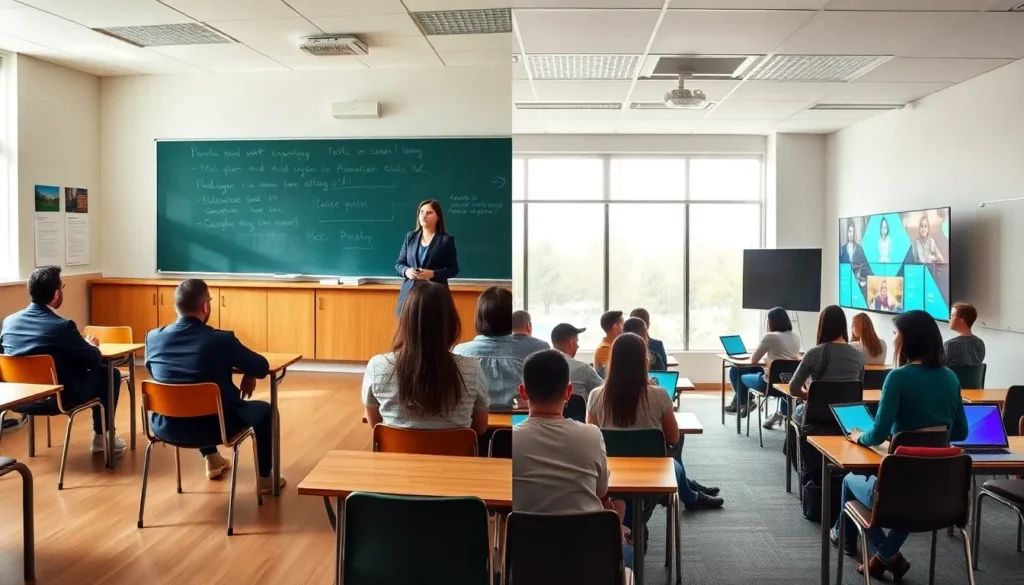
Traditional classrooms followed a predictable format. Desks faced forward. Teachers stood at the front. Students listened, took notes, and raised hands to speak. This model worked for centuries and produced generations of educated citizens.
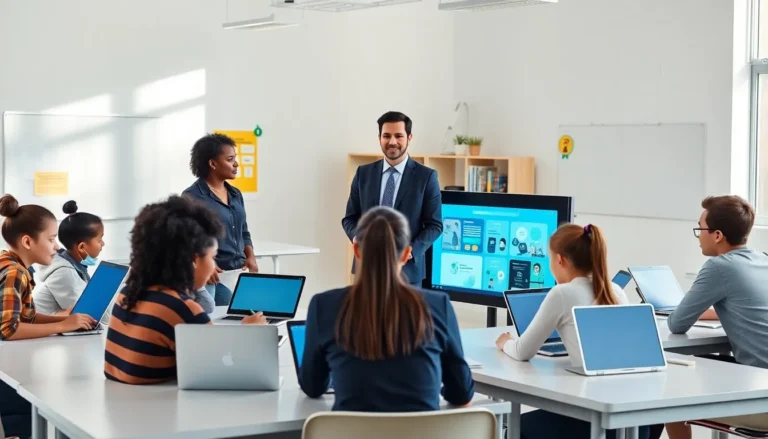
Modern learning environments look quite different. Flexible seating arrangements encourage collaboration. Group tables replace individual desks. Some schools have eliminated walls between classrooms entirely. Students move between stations based on their learning activities rather than sitting in one spot for hours.
Education today vs. earlier decades also differs in physical resources. Chalkboards gave way to whiteboards, then to interactive smart boards. Libraries now include digital resources alongside physical books. Many students carry laptops or tablets instead of heavy textbook stacks.
The shift extends beyond furniture and equipment. Traditional classrooms emphasized discipline and uniformity. Everyone learned the same material at the same pace. Modern environments often allow for personalized learning paths. Students can progress faster in subjects they excel at while getting extra support in challenging areas.
But, not all changes represent improvements. Some educators argue that flexible environments create distractions. Others point out that traditional methods built strong foundational skills. The debate between education today vs. traditional approaches continues in schools worldwide.
The Role of Technology in Education
Technology has transformed education more than any other factor in recent decades. Consider how students access information. Previous generations walked to libraries, searched card catalogs, and photocopied pages from encyclopedias. Students today pull up answers on their phones in seconds.
Online learning platforms represent another major change. Before the internet, distance education meant mailing assignments back and forth. Now, students attend virtual classes in real-time, submit work instantly, and receive immediate feedback. The COVID-19 pandemic accelerated this trend dramatically. Schools that had never considered online learning suddenly had no choice.
Education today vs. earlier eras also differs in how technology supports different learning styles. Visual learners watch videos. Auditory learners listen to podcasts. Interactive simulations help kinesthetic learners grasp abstract concepts. Teachers can provide multiple pathways to the same learning objective.
Artificial intelligence adds another dimension. Adaptive learning software adjusts difficulty based on student performance. Automated grading frees teachers to spend more time on instruction. AI tutoring systems provide 24/7 support for struggling students.
But technology creates problems too. Screen time concerns worry parents and health experts. Digital divides mean some students lack reliable internet access or devices. Cybersecurity and privacy issues require constant attention. Education today vs. previous generations faces challenges earlier educators never anticipated.
The most effective schools integrate technology thoughtfully rather than adopting every new tool. They use digital resources to enhance learning while maintaining human connections between teachers and students.
Teaching Methods Then and Now
Teaching methods have undergone substantial revision over the past century. Traditional instruction relied heavily on lectures and memorization. Teachers presented information. Students absorbed and repeated it. Success meant recalling facts accurately on tests.
This approach had strengths. Students developed strong memories and learned to pay attention for extended periods. They mastered foundational knowledge that supported later learning. Many successful professionals credit traditional teaching with building their intellectual foundations.
Modern pedagogy emphasizes different skills. Critical thinking, collaboration, and creativity now receive significant attention. Teachers act more as facilitators than lecturers. Students work on projects, solve problems, and create original work. Education today vs. traditional models prioritizes application over memorization.
The shift reflects changing workforce demands. Employers want workers who can analyze information, work in teams, and adapt to new situations. Memorizing facts matters less when anyone can look up information instantly. Schools responded by changing what and how they teach.
Project-based learning exemplifies this shift. Instead of reading about ecosystems, students might design and maintain a school garden. Instead of studying business concepts abstractly, they might create and run a small enterprise. These experiences build practical skills alongside academic knowledge.
Assessment has changed too. Standardized tests still exist, but many schools now use portfolios, presentations, and performance assessments. These alternative measures capture skills that multiple-choice questions cannot.
Education today vs. past decades shows a clear trend toward active learning. Students participate rather than passively receive information. Research supports this approach, students retain more when they engage actively with material.
Student Expectations and Learning Outcomes
Student expectations have shifted dramatically across generations. Students in earlier decades expected teachers to provide all necessary information. They followed prescribed curricula without much input. Education happened to them rather than with them.
Today’s students expect more agency. They want to understand why they’re learning specific content. They expect their interests and goals to influence their education. Many want real-world connections to academic material.
Education today vs. previous eras also shows different expectations about pace and access. Modern students expect immediate feedback on their work. They want to access learning materials anytime, not just during class hours. They expect technology to function seamlessly.
Learning outcomes have improved in some areas and declined in others. Literacy rates have increased globally over the past century. More people complete secondary education than ever before. Access to higher education has expanded significantly.
But, some studies suggest that deep reading skills and sustained attention have declined. Students today process more information but may not analyze it as thoroughly. The education today vs. past debate includes concerns about depth versus breadth.
Social and emotional learning has gained prominence. Schools now explicitly teach communication, emotional regulation, and relationship skills. Previous generations learned these skills informally or not at all. This represents a significant expansion of education’s scope.
Career preparation looks different too. Vocational education has evolved into career and technical education with sophisticated programs. Internships and work-based learning connect classroom instruction to employment. Education today vs. earlier decades shows greater integration between school and work.