Table of Contents
ToggleWhat is education today? The answer looks different than it did even a decade ago. Schools, universities, and training programs have shifted their methods, tools, and goals. Students now learn through digital platforms, hybrid models, and personalized curricula. Teachers use data to track progress and adjust lessons in real time. This article explains how education has changed, what defines modern learning, and what challenges remain. Understanding education today helps parents, students, and educators make informed decisions about the future.
Key Takeaways
- Education today has shifted from memorization to skill-building, emphasizing critical thinking, collaboration, and real-world problem-solving.
- Technology plays a central role in modern classrooms, with AI tutoring apps, learning management systems, and virtual reality enhancing the learning experience.
- Online platforms like Coursera and Khan Academy have democratized access to education, allowing anyone worldwide to learn almost anything.
- Modern education prioritizes personalized learning paths, soft skills development, and a lifelong learning mindset to prepare students for changing careers.
- Significant challenges remain, including teacher shortages, inequality gaps, student mental health crises, and keeping curricula relevant in a fast-changing job market.
How Education Has Evolved in Recent Years
Education today looks nothing like the classroom of 2010. Several major shifts have reshaped how people learn and teach.
First, the COVID-19 pandemic forced schools worldwide to adopt online learning almost overnight. By April 2020, over 1.6 billion students were learning from home. This sudden change proved that remote education could work, though not without problems. Many schools kept hybrid options even after reopening.
Second, the focus has moved from memorization to skill-building. Employers now want workers who can think critically, solve problems, and collaborate. Education today reflects this demand. Curricula include more project-based learning, group work, and practical applications.
Third, access to education has expanded. Online courses from platforms like Coursera, Khan Academy, and edX let anyone learn almost anything. A student in rural Kenya can take the same course as someone in New York City. This democratization of knowledge marks a significant shift in education today.
Finally, assessment methods have changed. Standardized tests still exist, but many schools now use portfolios, presentations, and continuous assessment. These methods give a fuller picture of what students actually know and can do.
Key Features of Modern Education
Several features define education today. These elements distinguish modern learning from traditional models.
Personalized Learning Paths
Students no longer follow identical curricula. Adaptive software adjusts difficulty based on individual performance. Teachers use learning management systems to assign different materials to different students. This personalization helps struggling learners catch up while advanced students move ahead.
Emphasis on Soft Skills
Modern education includes communication, teamwork, and emotional intelligence alongside academic subjects. Schools recognize that success requires more than technical knowledge. Many programs now include dedicated time for social-emotional learning.
Lifelong Learning Mindset
Education today doesn’t end at graduation. The average worker will change careers multiple times. Continuous learning has become necessary, not optional. Universities offer micro-credentials and certificate programs for working adults. Companies invest in employee training programs.
Global Connectivity
Students collaborate with peers across continents. Video calls connect classrooms in different countries. This exposure builds cultural awareness and prepares students for a connected workforce. Education today prepares global citizens, not just local graduates.
Focus on Mental Health
Schools now address student well-being more directly. Counseling services have expanded. Many districts train teachers to recognize signs of anxiety and depression. This shift acknowledges that students can’t learn effectively when they’re struggling emotionally.
Technology’s Role in Today’s Classrooms
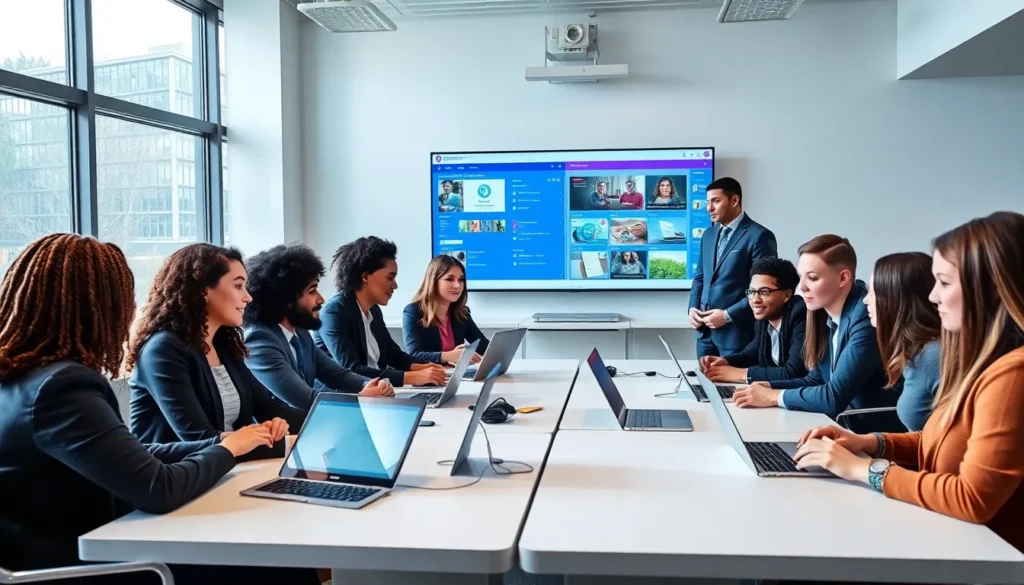
Technology sits at the center of education today. Digital tools have transformed how teachers teach and students learn.
Learning management systems like Google Classroom and Canvas organize assignments, grades, and communication. Teachers post materials online. Students submit work digitally. Parents check progress through parent portals. These systems create transparency and streamline administration.
Artificial intelligence now powers tutoring apps and assessment tools. Programs like Duolingo and IXL adapt to each user’s level. AI can grade essays, identify knowledge gaps, and recommend resources. Some schools use chatbots to answer student questions around the clock.
Virtual reality offers immersive learning experiences. Medical students practice surgeries in VR. History classes visit ancient Rome through headsets. Science students explore molecules in three dimensions. These tools make abstract concepts concrete.
But, technology in education today comes with caveats. Screen time concerns remain valid. Not all families have reliable internet access. The digital divide persists, with wealthy districts enjoying better tools than under-resourced schools. And some educators worry that technology creates distraction rather than engagement.
The best schools use technology as a tool, not a replacement for human instruction. A skilled teacher remains irreplaceable. Technology amplifies good teaching, it can’t substitute for it.
Challenges Facing Education Today
Even though progress, education today faces serious obstacles.
Teacher Shortages
Schools across the United States struggle to fill positions. Low pay, burnout, and lack of respect drive teachers away. The National Education Association reports that teacher vacancies reached historic highs in 2023. Fewer college students choose education as a major. This shortage affects students directly through larger class sizes and less individual attention.
Inequality Gaps
Family income still predicts educational outcomes. Wealthy districts spend more per student. Private tutoring and test prep give affluent students advantages. Meanwhile, schools in low-income areas lack basic supplies. Education today has not solved these disparities.
Student Mental Health Crisis
Anxiety and depression rates among young people have spiked. Social media contributes to the problem. Academic pressure adds stress. Schools struggle to provide adequate counseling with limited staff. This crisis affects attendance, performance, and graduation rates.
Keeping Curriculum Relevant
The job market changes faster than curricula can adapt. Skills that matter now may become obsolete in five years. Schools must balance foundational knowledge with emerging needs. Teaching coding is useful today, but what about when AI writes most code?
Political Polarization
Debates over what schools should teach have intensified. Book bans, curriculum restrictions, and parental rights movements create conflict. Teachers feel caught in the middle. This politicization distracts from the core mission of education today: helping students learn and grow.